
A British View of the American Revolution: Public History, Memory, and the Museum World
Walk into almost any heritage site in the United States and you will find the American Revolution presented as the founding moment of a nation: battlefields, colonial townscapes, and historic house museums all built around the story of 1776. Walk into a British museum, by contrast, and you might struggle to find the conflict at all. There is no national network of Revolution-themed sites here, no school trip itinerary devoted to Yorktown, and no equivalent of Colonial Williamsburg. For a war that reshaped the global order, the American Revolution is remarkably quiet in British public history. That silence is exactly what interests us. On this blog, we explore how the Revolution is remembered, misremembered, and occasionally ignored across the UK’s museums, historic houses, and heritage sites — and why that matters for anyone working in public history today.
Why the American Revolution Is a Footnote in British Public History
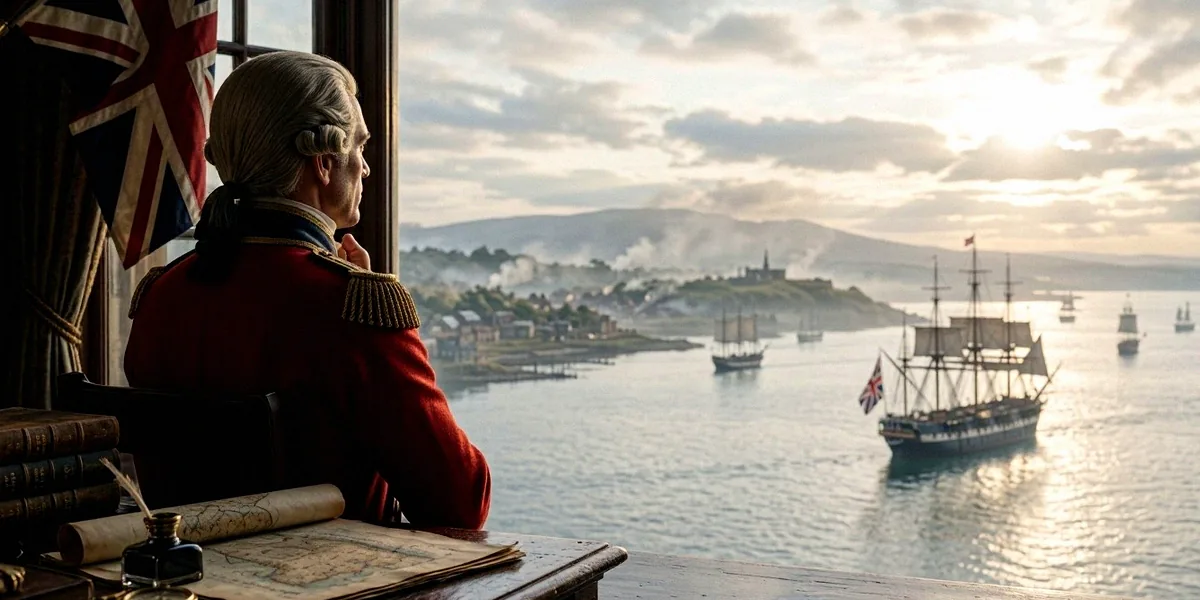
In the United States, the Revolution is a founding narrative. In the United Kingdom, it is usually framed as a colonial rebellion that went badly — one episode in a longer story of empire rather than a birth of nations. That framing shapes everything from gallery labels to school textbooks. British heritage interpretation tends to treat the loss of the Thirteen Colonies as a strategic and administrative problem, not a moral or political rupture, which means visitors rarely encounter the ideas, people, and consequences of the Revolution in any depth.
The War of Independence vs. the American Revolution in British Memory
The very name matters. British sources have historically preferred “the American War of Independence,” a label that describes a colonial conflict rather than a revolutionary ideology. In British memory, the war sits alongside other eighteenth-century imperial struggles — the Seven Years’ War, the campaigns in India and the Caribbean — rather than standing alone as a world-historical event. The result is that figures like George Washington and Thomas Jefferson appear as opponents or colonial actors, not as architects of a new political order. We think this naming habit is more than semantics: it quietly determines which stories get told and which get left out.
How British School Curricula and Museum Studies Treat the Conflict
In most UK schools, the American Revolution appears briefly, if at all, within broader topics such as the British Empire or the transatlantic slave trade. Museum studies programmes in Britain often focus on empire, decolonisation, and community engagement — all valuable — but the American Revolution seldom features as a case study in its own right. That gap carries through into professional practice, where curators may feel under-equipped to interpret the Revolution for British audiences. We would argue that this is a missed opportunity, not a neutral omission.
Heritage Sites and Historic House Museums That Tell the British Side
There are, however, places in the UK where the Revolution can be glimpsed — sometimes powerfully. These sites tend to tell the story through military service, family loss, or political embarrassment rather than triumph, which makes them especially interesting for public historians.
National Army Museum and the Imperial War Museum’s Interpretive Choices
The National Army Museum in London holds collections relating to the eighteenth-century British Army, including material connected to the American campaigns. Its displays generally situate the Revolution within a wider narrative of imperial warfare and military reform. The Imperial War Museum, by contrast, focuses on twentieth- and twenty-first-century conflict, so the Revolution falls outside its core remit — a reminder that even major national institutions draw firm chronological boundaries around what counts as “war worth interpreting.”
Country Houses of British Commanders and Loyalist Families
Some of the most compelling British connections to the Revolution survive in country houses tied to generals and loyalist families. Estates associated with commanders who served in America, and with families who lost property or fled the new United States, often hold portraits, letters, and objects that reveal the personal cost of the conflict. These historic house museums rarely lead with the Revolution, but when you look closely, the war is there: in a uniform, a disputed inheritance, a portrait of a brother who never returned.
London’s Georgian Heritage and the Loss of the American Colonies
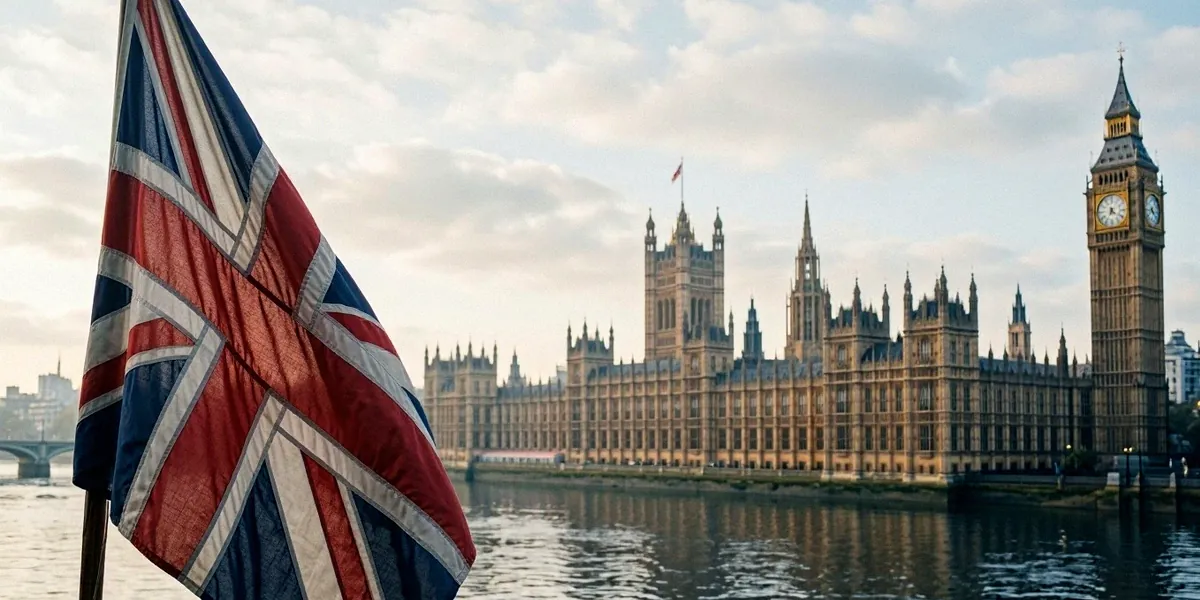
London itself is a Georgian city, and its streets, squares, and townhouses were shaped in the same decades as the Revolution. Walking through Westminster, you are surrounded by the architecture of the government that lost America. Even 10 Downing Street, the Georgian townhouse at the heart of British political life, belongs to this world — a reminder that the Revolution was decided in rooms very much like the ones still in use today. For us, London’s Georgian heritage is an underused frame for interpreting the Revolution to British visitors.
Public History Debates: Empire, Slavery, and the Revolution in UK Museums
In recent years, UK museums have begun confronting the legacies of empire and slavery far more directly. The American Revolution sits awkwardly within these debates, because it is simultaneously a story of liberty and a story of slavery — a contradiction that British and American public historians handle in very different ways.
The Legacies of Slavery and Loyalist Refugees in British Port Cities
UK port cities such as Liverpool, Bristol, Glasgow, and London were deeply entangled with Atlantic slavery and with the movement of people during and after the Revolution. Loyalist refugees — including free and enslaved Black people who sided with Britain — arrived in Britain and its colonies in the aftermath of the war. Their stories connect directly to the port cities where they settled, worked, and sometimes disappeared from the record. We think these connections offer some of the richest, least-explored territory for British public history.
Decolonising the Museum: American Revolution as a Case Study
Museum studies scholars in the UK increasingly ask whose voices are centred in interpretation. The American Revolution is a useful case study because it forces institutions to confront uncomfortable questions: Who fought? Who was freed, and who was not? Whose liberty was expanded, and whose was ignored? Treating the Revolution as part of decolonising work — rather than as a distant American curiosity — gives UK museums a concrete, well-documented example to work with.
What British Audiences Can Learn from American Revolution Heritage
British visitors who travel to the United States often come back surprised by how thoroughly the Revolution is embedded in everyday life. Comparing US and UK approaches side by side is one of the most productive exercises we can recommend for anyone interested in public history.
Comparing US National Park Service Sites with UK Heritage Sites
US National Park Service sites such as Yorktown and Colonial Williamsburg demonstrate what sustained, well-funded interpretation can achieve: living history, reconstructed landscapes, and layered storytelling that draws millions of visitors each year. UK heritage sites, by contrast, often rely on smaller teams and more fragmented funding. The comparison is not simply about money — it is about narrative ambition. American sites commit fully to the Revolution as a story worth telling; British sites tend to hedge. We believe UK heritage could borrow some of that confidence without importing American mythology wholesale.
Transatlantic Museum Studies and Shared Public History Methods
There is a growing transatlantic conversation in museum studies about shared methods: oral history, co-curation with descendant communities, digital interpretation, and critical approaches to nostalgia. The Revolution is an ideal subject for this exchange, because it belongs to both countries — and to many others besides. We would like to see more joint projects, shared exhibitions, and practitioner exchanges between UK and US institutions working on this period.
Our Team’s Take: Bringing the American Revolution into British Public History
We do not think British museums should simply copy American interpretations. We do think they should stop treating the Revolution as someone else’s history. Here is how we would approach it.
Practical Steps for Curators and Public Historians
- Reframe gallery labels to present the Revolution as a global event, not a colonial sideshow.
- Audit existing collections for objects linked to American campaigns, loyalist families, and enslaved people.
- Develop partnerships with UK port city museums to interpret loyalist refugee and slavery connections.
- Commission community-led interpretation that includes Black British, Caribbean, and Indigenous perspectives.
- Use digital storytelling to link UK historic house museums with US sites such as Yorktown and Colonial Williamsburg.
Why This Matters for Heritage Sites in the UK Today
Heritage sites in the UK face real pressure to remain relevant to diverse, modern audiences. The American Revolution offers a way in: it is dramatic, well-documented, and directly connected to British families, institutions, and cities. Reinterpreting it is not about nostalgia for empire. It is about honesty — about acknowledging that the world we live in was shaped by decisions made in Georgian Britain, and that those decisions had consequences for millions of people on both sides of the Atlantic.
British public history cannot afford to leave the American Revolution as a footnote. It is not a distant colonial loss; it is a central, ongoing debate about empire, memory, and national identity in the UK — and it belongs in our museums, our historic houses, and our heritage sites.
FAQ
Why is the American Revolution rarely covered in British museums?
It is usually framed as a colonial rebellion within a broader imperial story, rather than a founding national event. That framing, combined with curriculum gaps and limited collections display, keeps it at the margins of UK interpretation.
Which UK sites are most relevant for studying the British side of the Revolution?
The National Army Museum in London, country houses tied to British commanders and loyalist families, Georgian heritage sites across London and Westminster, and port city museums in Liverpool, Bristol, and Glasgow all hold relevant material.
How does the Revolution connect to debates about slavery and empire in UK museums?
Loyalist refugees, including enslaved and free Black people, moved through British port cities after the war. These connections link the Revolution directly to ongoing UK conversations about empire, slavery, and decolonising museum practice.
What can British audiences learn from US sites like Yorktown and Colonial Williamsburg?
They show what ambitious, well-funded interpretation looks like, and they demonstrate how the Revolution can be told as a layered, human story rather than a single military event. UK heritage sites can adapt these methods without adopting American mythology.
How should UK heritage sites begin reinterpreting the American Revolution?
Start with collection audits, reframe existing labels, build partnerships with port city museums, and involve descendant communities in co-curation. Digital links with US sites can extend reach and deepen interpretation.