

Careers in Public History: How to Build a Meaningful Career in Museums and Heritage
We have lost count of the emails we receive from readers asking some version of the same question: how do you actually turn a love of the past into a job? It is a fair question, and an urgent one. Public history matters right now because the stories we choose to tell — and the buildings, objects, and landscapes we choose to keep — shape how communities understand themselves. Yet the path from enthusiast to paid professional is rarely a straight line. In this guide, we have pulled together what we know from working in and around the sector to give you a realistic, practical map of careers in public history across the UK.
What Public History Actually Looks Like in the UK
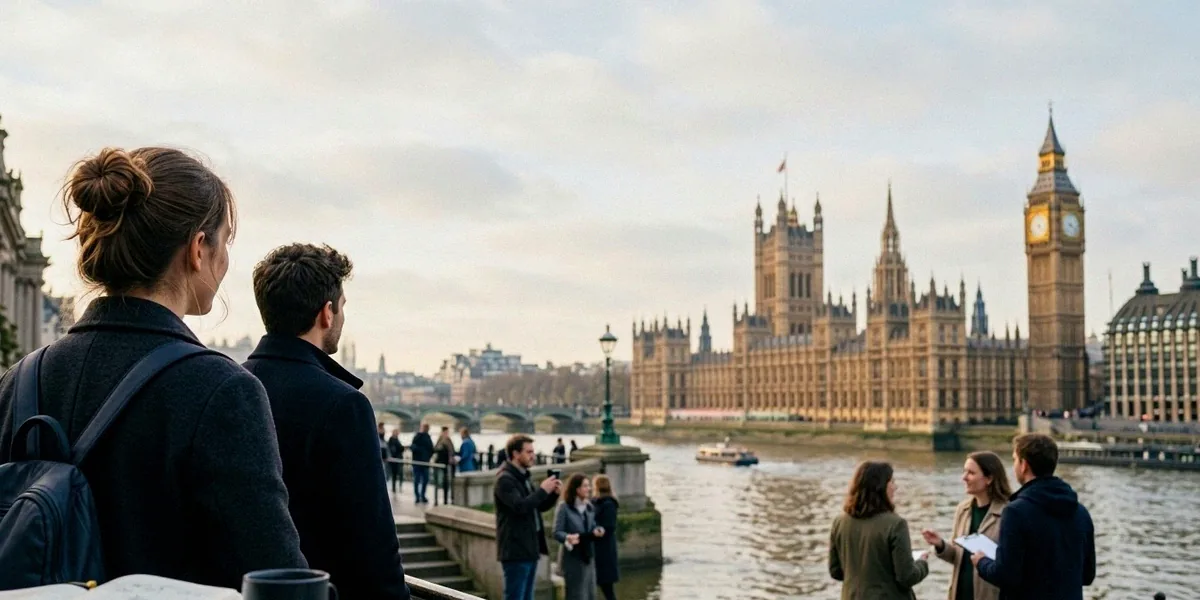
Public history is history done with and for the public, not just for other academics. It happens in museums, yes, but also in country houses, on industrial heritage sites, in archives, on walking tours, in council-run galleries, and increasingly online. The sector is broader than most people assume. Historic England is the public body that champions and protects England’s historic environment, while the National Trust looks after over 500 historic houses, gardens, and monuments across England, Wales, and Northern Ireland. Add in English Heritage, Cadw, Historic Environment Scotland, independent museums, and university special collections, and you are looking at tens of thousands of paid roles across the UK.
From Academic History to Public-Facing Practice
The biggest shift for newcomers is realising that public history is a practice, not just a subject. A history degree teaches you to analyse sources and construct arguments. Public history asks you to do that while also writing label copy, managing volunteers, handling a school group, and justifying your budget to a trustee board. The skills overlap, but they are not identical.
Key Employers: National Trust, English Heritage, and Local Authorities
Three employer types dominate the landscape. The National Trust and English Heritage are the largest heritage charities and public bodies, offering roles from housekeeping and visitor experience to curatorship and interpretation. Local authority museums — often free to enter and deeply rooted in their communities — employ thousands more, though their budgets have been squeezed hard since 2010. Smaller independent museums, historic houses, and cathedral collections make up the rest of the picture.
Core Career Paths in Museums and Heritage
Most jobs in the sector fall into a handful of job families. Understanding them helps you target your applications rather than firing CVs into the void. The Museums Association publishes an annual salary survey covering UK museum roles, and it is worth reading before you decide which path suits you.
Curatorial and Collections Roles
Curators research, interpret, and care for collections. They write exhibitions, advise on acquisitions, and act as the public face of a collection. Collections managers and documentation officers sit alongside them, focusing on cataloguing, storage, loans, and legal compliance. These roles are competitive and often require a postgraduate qualification.
Learning, Engagement, and Community History
This is where public history truly lives. Learning officers run school workshops, family activities, and adult courses. Community engagement roles build relationships with local groups, co-produce exhibitions, and address who feels welcome in a heritage space. If you enjoy people as much as objects, this is your path.
Conservation and Heritage Science
Conservators stabilise and treat objects, from oil paintings to archaeological ironwork. Heritage scientists analyse materials, environments, and deterioration. These are specialist, often accredited roles, usually requiring a conservation degree and years of bench experience.
Breaking Into the Sector: Education and Experience
There is no single route in, and that is both the frustration and the opportunity. Formal qualifications help, but experience on site matters just as much.
University Routes and Museum Studies MAs
A history, archaeology, or heritage degree is a common starting point. Many then take a Museum Studies MA. The University of Leicester offers one of the UK’s longest-running Museum Studies programmes, and UCL, Newcastle, and Cardiff also run respected courses. These give you theory, placements, and a peer network.
Apprenticeships and Work-Based Learning
Apprenticeships are growing and offer a paid alternative to the MA route. Heritage-specific apprenticeships in collections care, visitor services, and digital heritage let you earn while you learn, which matters enormously if you cannot afford to volunteer unpaid.
Volunteering as a Stepping Stone
Volunteering at National Trust properties, local museums, or archives remains one of the most effective ways in. It builds your CV, gives you referees, and lets you test whether you actually enjoy front-of-house work. Just be aware that unpaid volunteering is not equally accessible to everyone, and paid entry routes deserve more investment.
Pay, Prospects, and the Reality of Heritage Work
We would rather be honest than encouraging for its own sake. Heritage pay is modest, particularly outside London and senior leadership.
Typical Salaries Across the UK
Entry-level visitor experience and assistant roles often sit near or just above the National Living Wage. Curatorial and learning roles typically range from the mid-twenties to mid-thirties in thousands. Senior curators, heads of department, and directors can reach £45,000–£70,000, but those posts are few.
Job Security and Funding Challenges
Local authority museum budgets in the UK have been cut significantly since 2010, affecting job availability across the country. Many roles are short-term, project-funded, or dependent on grant cycles. A three-year National Lottery Heritage Fund project might create five jobs — and then they end.
Career Progression and Specialisation
Progression often means moving employer, not climbing a ladder. Specialising — in digital interpretation, climate adaptation, or community co-curation — can make you more portable and more valuable.
Practical Steps to Land Your First Role
Here is what we would actually do if we were starting out today.
Crafting Applications That Stand Out
Tailor every CV and cover letter to the person specification. If the advert asks for experience with school groups, give a concrete example with numbers. Generic applications get filtered out fast.
Building a Public History Portfolio
Create something public-facing. A blog, a walking tour, a small exhibition, a podcast, a digital map. Employers want evidence you can communicate with real audiences.
Networking and Professional Bodies
Join the Museums Association and Historic Houses. Attend regional museum group meetings. Most jobs in this sector are filled through networks before they are even advertised.
- Read the Museums Association salary survey before negotiating.
- Follow Historic England and National Trust recruitment pages weekly.
- Volunteer strategically — pick roles that fill a gap in your CV.
- Build one digital skill: CMS, digitisation, or social media interpretation.
The Future of Public History Careers
The sector is changing, and the change is creating new roles even as old ones disappear.
Emerging Specialisms and Skills Gaps
Decolonisation work, climate action planning, and digital interpretation are the three areas where demand outstrips supply. The National Trust’s colonial history reviews are a visible example of how heritage organisations are re-examining their collections and stories — and they need skilled people to do it sensitively.
Freelancing and Portfolio Careers
Growing numbers of heritage professionals now work freelance as consultants, curators, evaluators, and interpreters. It is precarious but flexible, and it suits people who can manage multiple projects at once.
FAQ
Do I need a Master’s degree to work in public history?
No, but it helps for curatorial and specialist roles. Apprenticeships, volunteering, and paid entry-level roles can get you in without postgraduate debt.
How much do museum jobs pay in the UK?
Entry-level roles often sit near the National Living Wage, while experienced curators and learning managers typically earn in the high twenties to mid-thirties. The Museums Association salary survey gives the most reliable annual picture.
Is it worth volunteering at National Trust properties?
Yes, if you use it strategically. It builds references, site knowledge, and confidence — all of which matter at interview.
What skills are most in demand right now?
Digital interpretation, community engagement, fundraising, and climate-related heritage planning. Decolonisation expertise is also increasingly sought after.
Careers in public history reward persistence far more than perfection. A polished CV helps, but what really moves people forward is genuine commitment to public engagement, a willingness to network, and the discipline to take one concrete step this week — whether that is emailing a local museum about volunteering, drafting a portfolio piece, or joining the Museums Association. Start there, and the rest follows.